
In Shorts
- Rahul Gandhi calls India-US interim trade deal a “wholesale surrender” of national interests.
- Gandhi says pact risks farmers, energy security and data sovereignty.
- Government defends agreement, sparking heated exchange in Parliament.
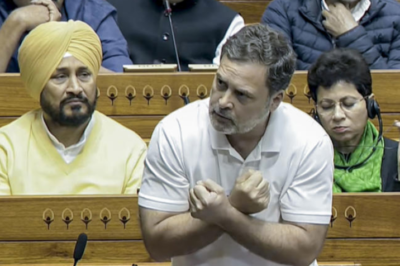
New Delhi. In a heated Lok Sabha debate on Wednesday, Leader of the Opposition Rahul Gandhi accused the central government of undermining India’s sovereignty through the recently announced interim trade agreement with the United States. Gandhi’s remarks come amid intense political scrutiny over the pact’s terms and possible impact on domestic sectors.
Addressing members of Parliament, Gandhi said the government had effectively “sold Bharat Mata” in the trade negotiations, framing the deal as a “wholesale surrender” of India’s strategic and economic interests. He argued that key areas such as agriculture, energy security and digital trade were jeopardised under the terms agreed with the United States.
Gandhi specifically criticised provisions related to tariffs and market access. He claimed that average tariff levels had risen significantly while India had pledged to import a large volume of U.S. goods, potentially harming Indian producers and farmers. The opposition leader also raised concerns about data governance, warning that concessions could erode India’s control over its citizens’ data and benefit foreign technology firms.
“Are you not ashamed of selling India?” Gandhi demanded, emphasising the potential consequences for small farmers and producers if American agricultural products enter Indian markets under more favorable terms. His speech underscored deep opposition unease over the government’s negotiating strategy and the broader implications for India’s economic autonomy.
Government representatives swiftly rejected the accusations, defending the agreement as the result of robust negotiations aimed at strengthening bilateral ties and expanding trade opportunities. The exchange triggered sharp reactions from lawmakers on both sides, reflecting the broader political divide over foreign policy and trade strategy ahead of key national debates.
As the controversy unfolds, analysts and political commentators suggest the debate could shape public discourse around India’s economic diplomacy and its role in global commerce.





































Leave a Reply