
In Shorts
- India’s Budget 2026 allocates a record Rs 2.77 lakh crore to rail capital expenditure.
- Seven new high-speed rail corridors are proposed to connect major cities across the country.
- The enhanced infrastructure push aims to support sustainable growth and reduce travel times.
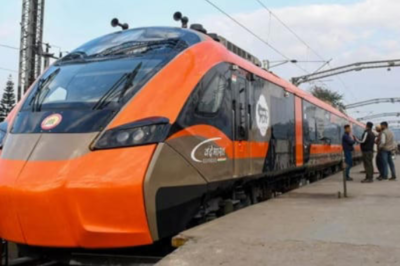
In a major push for infrastructure advancement, the Government of India presented the Union Budget 2026/27, drastically increasing investment in railways and unveiling plans for extensive high-speed rail development across the country.
Finance Minister Nirmala Sitharaman, while presenting her ninth consecutive Budget in the Lok Sabha, announced a record capital expenditure of Rs 2,77,830 crore for the Ministry of Railways for the upcoming fiscal year. This figure reflects a significant rise compared with the previous financial year and underscores the government’s priority to scale up connectivity and mobility infrastructure.
A centrepiece of the budget is the launch of seven new high-speed rail corridors designed to link key urban and economic centres, shorten travel times, and boost growth across regions. The proposed routes include:
- Mumbai–Pune
- Pune–Hyderabad
- Hyderabad–Bengaluru
- Hyderabad–Chennai
- Chennai–Bengaluru
- Delhi–Varanasi
- Varanasi–Siliguri
Officials describe these corridors as “growth connectors,” intended to foster economic integration between financial hubs, technology clusters, and emerging cities while offering a more sustainable alternative to road and air travel.
Beyond rail expansion, the Budget also sharpens focus on broader infrastructure spending, maintaining a strategic capital outlay of Rs 12.2 lakh crore for the financial year, which marks an increase over last year’s allocation.
However, not all reactions were positive. Political leaders from some states criticised the budget for overlooking regional priorities, particularly infrastructure projects they deem vital for local development.
The ambitious infrastructure push is part of the government’s broader agenda to strengthen logistics networks, enhance economic competitiveness, and accelerate India’s transition to modern, efficient, and climate-friendly transport systems.





































Leave a Reply