
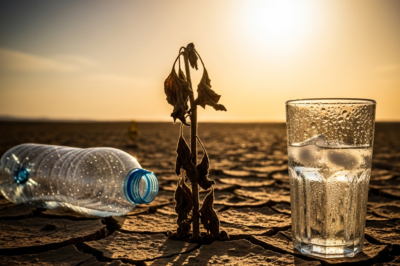
As the mercury rises across the globe, medical professionals are sounding the alarm on a significant public health trend: a sharp increase in urological complications directly linked to summer dehydration. According to recent insights from medical experts and reports from BW Healthcare World, the summer months bring more than just discomfort; they bring a physiological strain on the renal system that manifests in painful kidney stones and recurrent urinary tract infections (UTIs). When the body loses more fluid through perspiration than it takes in, the kidneys are forced to process highly concentrated waste, creating a literal breeding ground for stones and bacterial growth. This phenomenon is no longer just a concern for those living in tropical climates but is becoming a universal health challenge as heatwaves become more frequent and intense. Understanding the intersection of hydration, environmental temperature, and internal organ function is now a critical component of preventative healthcare.
The Physiological Mechanics of Dehydration and Renal Stress
To understand why summer is so dangerous for our kidneys, one must first look at the delicate balance of homeostatic regulation. The human body is roughly 60 percent water, and the kidneys are the primary organs responsible for maintaining this balance. Under normal conditions, the kidneys filter blood to remove waste products and excess water, which becomes urine. However, when the external temperature spikes, the body initiates cooling mechanisms, primarily sweating. As we sweat, the total volume of water in our blood drops, leading to a state of dehydration. In response, the pituitary gland releases antidiuretic hormone (ADH), which signals the kidneys to conserve water. While this is a vital survival mechanism, it results in the production of highly concentrated urine. This concentrated urine has a much higher density of minerals and salts—such as calcium, oxalate, and uric acid—which are the primary ingredients for kidney stones. When these substances reach a high enough concentration without sufficient water to dilute them, they begin to crystallize, eventually forming solid masses that can block the urinary tract and cause excruciating pain.
The Surge of Kidney Stones: A Seasonal Epidemic
Medical data consistently shows a seasonal peak in kidney stone diagnoses during the hottest months of the year. Often referred to as nephrolithiasis, the formation of these stones is a slow process that is accelerated by the lack of fluid intake. Experts point out that even a slight decrease in hydration can trigger the nucleation process where microscopic crystals bond together. Once a stone reaches a certain size, it attempts to pass from the kidney through the ureter to the bladder. Because the ureter is a narrow tube, the stone causes friction, inflammation, and blockages. Patients often describe the resulting ‘renal colic’ as one of the most intense pains known to medicine. Beyond the pain, kidney stones can lead to long-term scarring and decreased renal function if not treated promptly. Doctors emphasize that the rise in stones during summer is not just about the heat itself, but how people fail to adjust their fluid intake to compensate for increased loss. Sugary beverages and caffeinated drinks, which many reach for in the heat, can actually exacerbate the problem by acting as diuretics or increasing the mineral load in the urine.
The Hydration Connection to Urinary Tract Infections (UTIs)
While kidney stones are a chemical and physical byproduct of dehydration, Urinary Tract Infections are a biological consequence. The urinary system relies on a ‘flushing’ mechanism to keep bacterial populations in check. Every time a person voids their bladder, they are physically removing bacteria that may have entered the urethra. During the summer, when people are dehydrated and urinate less frequently, bacteria have more time to colonize and multiply within the bladder and urinary tract. This is particularly problematic in high-heat environments where the warm internal body temperature provides an ideal incubator for pathogens like E. coli. For women, who are anatomically more prone to UTIs, the summer dehydration link is even more pronounced. Doctors have observed that the severity of UTIs can also increase during this time; a simple bladder infection can more easily ascend to the kidneys (pyelonephritis) when the system is already stressed by a lack of fluids. Maintaining a high volume of urine output is the body’s most effective natural defense against these infections.
Identifying Vulnerable Populations and High-Risk Factors
While everyone is susceptible to the effects of the heat, certain demographics face a disproportionately high risk of developing dehydration-related urological issues. Outdoor laborers, such as construction workers and agricultural employees, are at the frontline of this crisis, often losing liters of water through sweat every hour. Similarly, athletes and fitness enthusiasts who maintain high levels of activity during peak heat hours often fail to reach the necessary ‘super-hydration’ levels required to protect their kidneys. The elderly are another high-risk group because the sensation of thirst often diminishes with age, meaning they may be dangerously dehydrated without even realizing it. Children, whose bodies regulate temperature differently than adults, are also at risk. Furthermore, individuals with a history of metabolic syndromes or those who consume high-sodium diets are more likely to see their kidneys succumb to stone formation when water levels drop. Public health officials are now calling for better workplace hydration protocols and community awareness programs to protect these specific groups during heatwaves.
Preventative Strategies and Expert Health Recommendations
The good news is that both kidney stones and UTIs are highly preventable with proactive lifestyle adjustments. The primary recommendation from urologists is a significant increase in water intake. During the summer, the standard ‘eight glasses a day’ is often insufficient; individuals may need three to four liters of water depending on their activity level and the ambient temperature. One simple way to monitor hydration is by checking urine color—pale yellow or clear indicates healthy hydration, while dark, amber-colored urine is a clear warning sign of dehydration. Adding lemon to water is another expert-recommended strategy, as the citrate in citrus fruits can inhibit the formation of calcium stones. Reducing sodium intake is equally important, as salt forces the kidneys to excrete more calcium into the urine. For those prone to UTIs, experts suggest not only drinking more water but also avoiding holding urine for long periods. Wearing breathable, cotton clothing can also help prevent the localized heat and moisture that allow bacteria to thrive externally before entering the urinary tract.
Conclusion: The Future of Urological Health in a Warming World
The link between summer dehydration and the rise in kidney stones and UTIs is a stark reminder of how our environment directly dictates our internal health. As global temperatures continue to break records, the medical community expects to see a ‘climate-driven’ surge in urological admissions. This trend highlights the necessity of viewing hydration not just as a matter of quenching thirst, but as a vital medical necessity for organ preservation. By understanding the biological mechanisms at play and adopting rigorous hydration habits, individuals can protect themselves from the painful and potentially serious consequences of heat-induced renal stress. The message from healthcare providers is clear: as the planet warms, our attention to our body’s water balance must become more disciplined and proactive than ever before.







































Leave a Reply