
In Shorts
- The four-day Chhath Puja festival concluded with the ‘Usha Arghya’ ritual, where devotees offered prayers to the rising sun.
- Major celebrations were seen in Bihar, Jharkhand, Uttar Pradesh, and in metropolitan areas like Delhi with significant migrant populations.
- The festival is dedicated to the Sun God (Surya) and Chhathi Maiya, and is known for its strict rituals and emphasis on purity and gratitude.
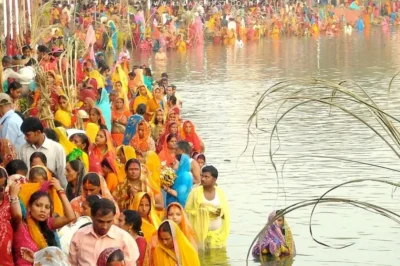
AlwaysFirst News: The spiritual tapestry of India was woven with threads of golden light this morning as the four-day-long Chhath Puja festival reached its solemn and beautiful conclusion. Across the country, millions of devotees gathered at the banks of rivers, ponds, and makeshift water bodies to offer ‘Usha Arghya’—the sacred offerings made to the rising sun—marking the final ritual of this ancient and rigorous festival.
The predawn hours were filled with a palpable sense of devotion. From the iconic ghats of the Ganga in Varanasi and Patna to the lakes in Delhi and the reservoirs in Mumbai, families and communities stood in knee-deep water, chanting Vedic hymns and extending their bamboo baskets filled with traditional offerings. The first rays of the sun were met with a wave of prayers, as devotees, dressed in vibrant traditional attire, expressed their gratitude and sought blessings for the well-being and prosperity of their families.
Chhath Puja is uniquely characterized by its direct worship of the Sun God, Surya, and his consort, Chhathi Maiya, who are revered as the sources of life and energy. The festival is a profound testament to discipline and purity, involving a rigorous four-day schedule that includes holy bathing, fasting, and standing in water for extended periods. Unlike many other festivals, Chhath is deeply egalitarian, breaking across social and economic barriers with its simple, nature-centric rituals.
This year, the celebrations were particularly poignant, with massive gatherings returning to pre-pandemic scale. In the national capital, Delhi, the Yamuna banks were transformed into a sea of devotion, showcasing the festival’s deep roots among the migrant population from eastern India. State governments had made extensive arrangements, including designated ghats, enhanced security, medical camps, and lighting, to ensure the safety and comfort of the millions of participants.
As the sun climbed higher, bringing the rituals to a close, the air was filled with a sense of fulfillment and joy. The breaking of the fast, or Parana, with the distribution of prasad—typically consisting of seasonal fruits and traditional sweets like thekua—symbolized the communal spirit and the successful completion of a sacred vow. The conclusion of Chhath Puja once again highlighted the enduring power of faith and the timeless Indian tradition of celebrating the divine forces of nature.




































Leave a Reply