
In Shorts
- Supreme Court brands Delhi’s pollution response a “total failure” and stresses need for long-term solutions.
- Judges say stopgap actions like school closures and hybrid classes only shield vulnerable groups, not reduce emissions.
- Court directs consideration of toll plaza closures to ease congestion and cut air pollution.
During a hearing on petitions over Delhi and the surrounding National Capital Region’s deteriorating air quality, a bench led by Chief Justice of India Surya Kant underscored that short-term measures will not yield sustainable improvement. The justices warned that actions such as closing schools or shifting to hybrid learning provide temporary shelter for children and the elderly but do not address the causes of air pollution.
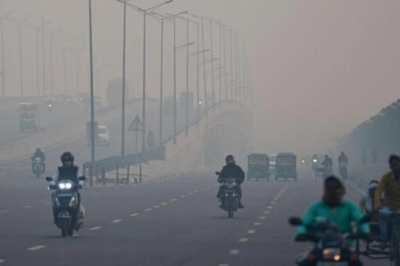
The Supreme Court made its comments amid severe pollution levels that have repeatedly pushed the Air Quality Index into dangerous categories this season. Authorities have invoked the strictest level of anti-pollution curbs under the graded response plan, including halting construction, curbing traffic and mandating work from home for many offices. Despite these actions, smog continues to blanket the capital, prompting judicial concern about the effectiveness of current policies.
While the court acknowledged that emergency measures serve as temporary protection, it stressed the urgent need for coordinated strategies that go beyond reactive responses. The bench noted that the crisis requires a long-term, systematic approach to curb emissions at their source across sectors including transport, construction and industrial activities.
In a related directive, the court asked civic and highway authorities to explore the possibility of suspending or relocating nine toll plazas on the capital’s entry routes. The move aims to reduce traffic congestion at city borders, a factor that contributes to harmful air pollution.
Despite its critique, the Supreme Court declined to interfere with government decisions on whether to close schools, stressing that jurisdiction over such temporary measures remains with local authorities. Still, the court’s remarks reflect frustration with managing the perennial pollution surge and emphasize the necessity for durable reforms and collaborative action from all stakeholders




































Leave a Reply