

In Shorts
- A senior commander of the Pakistani Taliban (TTP), Umar Mansoor, is identified as the key architect behind a surge in cross-border attacks.
- Pakistan intensifies diplomatic pressure on Afghanistan’s Taliban government, demanding action against militant sanctuaries on its soil.
- The situation marks a dangerous new chapter in regional tensions, exacerbated by the US withdrawal and the Taliban’s return to power in Kabul.
ISLAMABAD – A grim new reality is taking shape along the volatile frontier between Pakistan and Afghanistan. Security officials and regional analysts report that a formidable new enemy, operating from the rugged mountains of eastern Afghanistan, is spearheading a devastating resurgence of militant violence within Pakistan.
At the center of this escalating crisis is a single, shadowy figure: Umar Mansoor, a senior commander within the Tehrik-i-Taliban Pakistan (TTP), more commonly known as the Pakistani Taliban. Intelligence reports, cited by multiple security sources, now identify Mansoor as the chief architect coordinating a recent wave of sophisticated and deadly cross-border assaults.
“For years, the TTP was fragmented and on the defensive,” explains a senior Pakistani security official, speaking on condition of anonymity due to the sensitivity of the matter. “Now, under leaders like Mansoor, they have regrouped, rearmed, and found a permissive environment in Afghanistan from which to launch attacks with terrifying efficiency.”
This newfound operational freedom is a direct consequence of the geopolitical shift following the full withdrawal of U.S. forces and the Taliban’s return to power in Kabul in 2021. While the Afghan Taliban publicly pledges to prevent its soil from being used for attacks against other countries, evidence on the ground suggests a different story. Mansoor’s faction, and others like it, are reported to operate training camps and safe houses with little interference from the de facto authorities in Kabul.
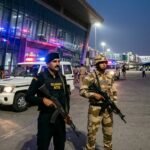
The result has been a sharp spike in violence in Pakistan’s northwestern regions. Recent months have seen a series of brazen attacks on military outposts, targeted killings, and complex ambushes, all bearing the hallmarks of Mansoor’s strategic planning. This has forced Pakistan to recalibrate its entire security posture along the border, redeploying troops and intensifying counter-insurgency operations.
In response, Islamabad has launched a vigorous diplomatic offensive, presenting what it claims is “irrefutable evidence” of militant sanctuaries to the Afghan Taliban government. The demands are clear: dismantle the TTP’s infrastructure and detain or expel its leadership, including Umar Mansoor. However, these pleas have so far yielded little tangible result, leading to a rapid deterioration in bilateral relations and public recriminations between the two neighbors.
The standoff presents a critical test for the region’s stability. As one regional analyst noted, “The situation is a tinderbox. Pakistan feels its national security is under direct threat from a hostile force next door, while the Afghan Taliban is likely hesitant or unable to crack down on former ideological allies. The man in the middle, Umar Mansoor, has become the most dangerous symbol of this new, unresolved conflict.” For the people living in the shadow of these mountains, the fear is that the worst is yet to come.



































Leave a Reply