
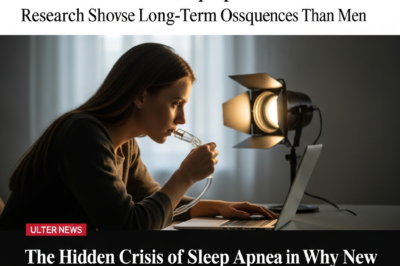
For decades, the image of a person suffering from Obstructive Sleep Apnea (OSA) has been almost exclusively that of a middle-aged, overweight man who snores loudly enough to rattle the windows. However, a groundbreaking report highlighted by U.S. News & World Report is shattering this stereotype, revealing that sleep apnea is not only prevalent in women but may actually hit them significantly harder than their male counterparts. This shift in understanding is critical, as sleep apnea has long been underdiagnosed and mismanaged in women, leading to a silent epidemic of cardiovascular damage, cognitive decline, and metabolic dysfunction. The study suggests that the physiological and neurological toll of fragmented sleep and intermittent hypoxia (oxygen deprivation) manifests differently across genders, with women bearing a disproportionate burden of the most severe health outcomes.
The Gender Gap in Sleep Apnea Diagnosis and Symptom Presentation
One of the primary reasons women are ‘hit harder’ by sleep apnea is the systemic failure to diagnose the condition early. Historically, the clinical criteria for OSA were developed based on male patient populations. Men typically present with ‘classic’ symptoms: overt snoring, gasping for air, and witnessed apneas (pauses in breathing). Women, on the other hand, often present with more subtle, ‘atypical’ symptoms. Instead of loud snoring, a woman might report chronic insomnia, morning headaches, restless leg syndrome, or overwhelming daytime fatigue. Because these symptoms overlap with conditions like depression, anemia, or fibromyalgia, physicians often overlook sleep apnea as the root cause. This delay in diagnosis means that by the time a woman is finally treated, the cumulative damage to her vascular system and brain may be far more advanced than that of a man diagnosed at an earlier stage of the disease.
Physiological Vulnerabilities: Why the Female Body Reacts Differently
The U.S. News & World Report study emphasizes that the female body may be more sensitive to the repeated drops in blood oxygen levels that define sleep apnea. Research indicates that women with OSA show higher levels of systemic inflammation and oxidative stress compared to men with the same severity of the condition. There is also a significant hormonal component at play. Estrogen and progesterone are known to have a protective effect on the upper airway dilator muscles. However, as women transition through menopause and these hormone levels drop, the risk of sleep apnea skyrockets. The study suggests that post-menopausal women not only develop OSA at rates similar to men but also experience a faster progression of cardiovascular complications, such as hypertension and endothelial dysfunction, which is the precursor to atherosclerosis and heart attacks.
Neurological and Cognitive Impacts: A Greater Threat to the Female Brain
Perhaps the most alarming finding in recent research is the impact of sleep apnea on the female brain. Using advanced MRI imaging, researchers have found that women with OSA exhibit more significant damage to white matter fiber tracts than men. These tracts are essential for communication between different regions of the brain. The damage is particularly prevalent in areas responsible for mood regulation, executive function, and autonomic control. This explains why women with untreated sleep apnea are significantly more likely to report symptoms of anxiety and clinical depression. While men may experience daytime sleepiness, women often report a ‘brain fog’ that impairs their ability to function at work and home, suggesting that the neurological recovery from sleep apnea may be slower or more complex for women than for men.
Cardiovascular Consequences: The Heart of the Matter
Cardiovascular disease remains the leading cause of death for women globally, and sleep apnea is a major, often hidden, contributor. The recent study highlights that the ‘stress response’ triggered by apnea events—where the body enters a fight-or-flight state multiple times per hour—appears to be more taxing on the female heart. Women with OSA are at a higher risk of developing right ventricular dysfunction and pulmonary hypertension. Furthermore, the correlation between sleep apnea and stroke seems to be stronger in women. Because women are often older when they are diagnosed, they may already have other age-related cardiovascular risks, creating a ‘perfect storm’ of factors that increase the likelihood of catastrophic cardiac events. The medical community is now calling for gender-specific screening tools that take these heightened risks into account.
The Struggle with CPAP Compliance and Treatment Barriers
Even after a diagnosis is made, women face unique challenges in managing the condition. Continuous Positive Airway Pressure (CPAP) therapy is the gold standard for treatment, but equipment design has historically leaned toward male facial structures. Women often find masks to be too large, leading to air leaks and skin irritation, which significantly lowers compliance rates. Additionally, there is a lingering social stigma associated with wearing a bulky medical device to bed, which can be more pronounced for women. The U.S. News & World Report highlights the need for more personalized treatment options, such as smaller, more ergonomic masks and the exploration of alternative therapies like oral appliances or myofunctional therapy, which may be more palatable and effective for female patients who struggle with traditional CPAP setups.
The Path Forward: Advocacy, Screening, and Personalized Medicine
The revelation that women are hit harder by sleep apnea necessitates a radical shift in how the healthcare industry approaches sleep medicine. There is an urgent need for public health campaigns aimed at educating women about the ‘atypical’ signs of OSA. Primary care physicians must also be trained to look beyond the ‘snoring male’ stereotype and screen any woman complaining of chronic fatigue or treatment-resistant insomnia for sleep disorders. Furthermore, future research must focus on the long-term outcomes of gender-specific treatments. As we move toward an era of personalized medicine, understanding the biological differences in how men and women process sleep and oxygen deprivation will be key to preventing the life-altering complications associated with this pervasive disorder. The study is a wake-up call: for women, a good night’s sleep isn’t just about beauty—it is a fundamental pillar of cardiovascular and neurological survival.
Conclusion: A Call to Action for Women’s Health
In summary, the latest findings from U.S. News & World Report and supporting research underscore a critical health disparity that has been ignored for too long. Women are not just smaller versions of men; their physiological response to sleep apnea is distinct, aggressive, and potentially more damaging. By recognizing the unique symptomatic profile of women and the heightened risks to their hearts and brains, the medical community can begin to close the gap in care. For women, advocating for their own sleep health and demanding comprehensive screening is no longer optional—it is a necessity for long-term health and longevity. As the science continues to evolve, the hope is that early intervention and tailored therapies will ensure that no woman has to suffer the devastating, and often preventable, consequences of untreated sleep apnea.







































Leave a Reply