
The Timeless Allure of the Traditional Chulha
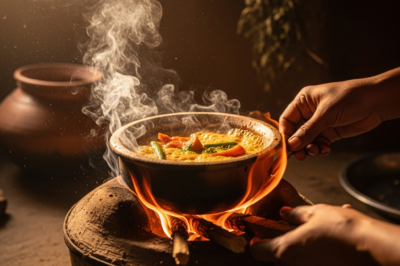
In an era dominated by smart induction cooktops, high-speed microwave ovens, and precision-controlled gas stoves, the humble Chulha—a traditional Indian mud stove—continues to hold a mystical place in the culinary landscape of the subcontinent. For anyone who has ever tasted a rotis scorched on a wood fire or a slow-cooked dal simmered in a clay pot over embers, the difference in flavor is not just a matter of nostalgia; it is a profound sensory reality. The recent discourse surrounding the benefits of Chulha cooking, sparked by reports from Lokshahi English News and other cultural observers, highlights a growing realization: ancient cooking methods offered far more than just a way to heat food. They provided a holistic approach to nutrition, flavor chemistry, and even spiritual well-being. To understand why Chulha-cooked food tastes so unique, one must delve into the intricate interplay of physics, chemistry, and cultural heritage that defines this ancient art. This exploration is not merely a trip down memory lane but an investigation into how traditional wisdom can inform modern healthy living.
The Science of Smoke: Infusing Natural Aromas
The most immediate and recognizable characteristic of food cooked on a Chulha is its distinctive smoky aroma. This isn’t an accident of poor ventilation but a complex chemical process. When wood or dried cow dung cakes are burned as fuel, they release organic compounds like guaiacol and syringol. These compounds are the primary contributors to the ‘smoky’ flavor profile that is impossible to replicate with natural gas or electricity. As the smoke rises and circulates around the cooking vessel, these aromatic molecules penetrate the food, especially in open-vessel cooking or when making unleavened breads like Bajra or Jowar rotis. The intensity of the heat, combined with the specific type of wood used—be it neem, mango, or acacia—adds subtle notes of earthiness and sweetness to the dish. This infusion of natural wood smoke acts as a seasoning in itself, enhancing the primary ingredients without the need for excessive artificial additives or heavy spices.
Slow Cooking and the Retention of Essential Nutrients
One of the greatest drawbacks of modern high-pressure cooking is the rapid degradation of heat-sensitive vitamins and minerals. The Chulha, by its very design, encourages slow cooking. Because the heat source is not as easily ‘turned down’ as a gas knob, the process involves a gradual build-up of temperature. This gentle heat ensures that the cellular structure of vegetables and legumes is broken down slowly, allowing the flavors to meld together more deeply. Research suggests that slow-cooked food retains a higher percentage of its nutritional value compared to food cooked at extremely high temperatures for short periods. For instance, the proteins in lentils remain more bioavailable when simmered over a steady, low-intensity fire. Furthermore, the slow evaporation of water concentrates the natural sugars and juices within the ingredients, leading to a richer, more robust taste profile that is naturally satisfying.
The Role of Clay and Earth: A Chemical Advantage
Traditionally, Chulhas are paired with clay pots (handis) or iron tavas. The combination of a mud stove and a clay vessel creates a unique chemical environment. Clay is naturally alkaline, which means it reacts with the acidic components in food (like tomatoes or citrus) to neutralize the pH balance. This not only makes the food easier to digest—reducing common modern ailments like acidity and bloating—but also rounds out the flavor. The porous nature of clay allows heat and moisture to circulate through the food more evenly than metal pots. In a metal vessel, food can often burn at the bottom while remaining undercooked at the top; in a clay pot over a Chulha, the heat is distributed through the walls of the pot, creating a 360-degree cooking environment. This ‘breathable’ quality of the cookware ensures that the moisture remains trapped, keeping meats tender and grains fluffy.
Physical Activity and the Holistic Cooking Experience
Beyond the chemical and thermal aspects, the Chulha represents a lifestyle that was inherently more active. The process of using a Chulha involves gathering wood, blowing air through a ‘phookni’ (a metal pipe) to stoke the flames, and maintaining a constant squatting or sitting posture. For the traditional homemaker, this was a form of physical exercise that integrated movement into daily chores. While modern convenience has freed us from these labors, it has also led to a sedentary lifestyle. Furthermore, the act of cooking on a Chulha requires constant attention and presence. You cannot simply set a timer and walk away. This ‘mindful cooking’ creates a deeper connection between the cook and the meal, often cited as a spiritual benefit that ‘transfers’ positive energy into the food. In many Indian cultures, the Chulha is considered sacred, and the first roti cooked is often offered to the fire or to animals, fostering a sense of gratitude and community.
Environmental and Health Considerations in the Modern Context
While the taste and nutritional benefits of Chulha cooking are undeniable, it is important to address the health implications of indoor smoke. Traditional Chulhas in poorly ventilated kitchens have been linked to respiratory issues due to the inhalation of particulate matter. However, the modern resurgence of this cooking style focuses on ‘Smokeless Chulhas’ or outdoor community kitchens. These innovations aim to provide the flavor and health benefits of wood-fired cooking without the toxic indoor air pollution. By using improved stove designs that direct smoke away or use cleaner-burning biomass, we can enjoy the best of both worlds. The shift back toward wood-fired ovens in high-end restaurants globally—often referred to as ‘hearth cooking’—is a testament to the fact that the world’s top chefs recognize the Chulha’s superior ability to create depth of flavor that no modern technology can mimic.
Conclusion: A Return to Roots for Future Wellness
The fascination with Chulha cooking is not merely a rejection of technology but a sophisticated choice for quality. As we become more aware of the limitations of processed foods and high-speed lifestyles, the slow, rhythmic, and natural process of the Chulha offers a blueprint for better living. It reminds us that flavor is a product of time, material, and nature. Whether it is the alkaline balance provided by clay, the aromatic complexity of wood smoke, or the nutritional integrity of slow heat, the Chulha proves that sometimes the oldest ways are indeed the best. Integrating these principles—if not the stove itself—into our modern lives could be the key to rediscovering the true joy of eating and the profound health benefits of a meal cooked with patience and care. The surprise isn’t just in the taste; it’s in the realization that our ancestors had mastered a culinary science that we are only now beginning to fully appreciate once again.





































Leave a Reply