
Introduction: The High-Stakes Geopolitics of the Strait of Hormuz
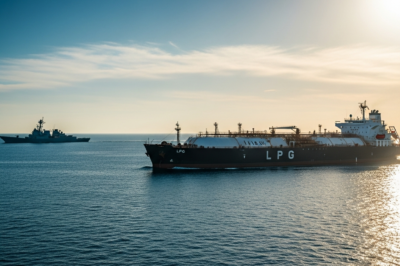
The global energy landscape remains on a knife-edge as tensions between the United States and Iran continue to simmer, threatening the stability of one of the world’s most critical maritime chokepoints: the Strait of Hormuz. In a recent development that has provided a momentary sigh of relief to energy markets and Indian policymakers alike, an India-bound Liquefied Petroleum Gas (LPG) tanker has successfully navigated this volatile corridor. The vessel, which is now making its way toward the strategic port of Visakhapatnam on India’s eastern coast, represents more than just a cargo of fuel; it is a symbol of the complex interdependencies that define modern global trade. The safe passage comes at a time when the threat of a direct or indirect US-Iran war looms large, casting a shadow over the ‘Tanker War’ memories of the past and highlighting the fragile nature of India’s energy security architecture. As the world watches the escalating military posturing in the Middle East, the movement of every vessel through the Persian Gulf is scrutinized by intelligence agencies, commodity traders, and diplomatic circles, underscoring the high-stakes chess match currently being played out in the waters of the Middle East. This incident is not merely a logistical update but a significant marker in the ongoing geopolitical struggle that dictates global inflation, regional stability, and the safe transit of essential commodities across international waters.
The Strategic Significance of the Strait of Hormuz
To understand the gravity of the LPG tanker’s passage, one must first appreciate the geographical and economic significance of the Strait of Hormuz. Often described as the world’s most important oil transit chokepoint, this narrow waterway separates the Persian Gulf from the Gulf of Oman and the Arabian Sea. At its narrowest point, the strait is only 21 miles wide, yet it handles approximately 20% of the world’s total petroleum liquids consumption. For India, the strait is nothing short of an umbilical cord for energy. A significant portion of India’s crude oil and LPG imports passes through this corridor, sourced from producers in Iraq, Saudi Arabia, Kuwait, and the United Arab Emirates. Historically, Iran has used its proximity to the strait as a lever of geopolitical influence, frequently threatening to close the waterway in response to international sanctions or military threats from the West. The current tensions, fueled by the breakdown of diplomatic agreements and the rise of regional proxy conflicts, have once again turned the Strait of Hormuz into a potential flashpoint for global conflict. Any disruption here does not just affect the immediate neighbors; it sends shockwaves through the global economy, leading to immediate spikes in energy prices and insurance premiums for shipping companies. The strait represents a unique vulnerability where physical geography dictates the flow of billions of dollars in trade daily, making its security a top priority for every major global power.
The Journey to Visakhapatnam: Logistics and Security
The specific tanker currently heading for Visakhapatnam carries a vital supply of LPG, a fuel source that is increasingly critical for India’s domestic energy needs, particularly under the government’s initiatives to provide clean cooking fuel to millions of households. Visakhapatnam, often referred to as Vizag, is a major industrial hub and serves as a gateway for energy distribution across southern and eastern India. The journey of this tanker from the Persian Gulf to the Bay of Bengal involves navigating some of the most monitored and potentially dangerous waters in the world. Shipping companies have had to adopt stringent security protocols, including ‘dark’ sailings where AIS (Automatic Identification System) transponders are occasionally turned off, though this remains a controversial and risky practice. The successful exit of the tanker from the Strait of Hormuz signifies that, despite the aggressive rhetoric from both Washington and Tehran, the primary trade routes remain operational—at least for now. However, the cost of this passage has risen significantly. War risk insurance premiums for vessels traversing the Persian Gulf have surged, adding an invisible ‘conflict tax’ on every ton of LPG or barrel of oil that reaches Indian shores. This specific shipment to Vizag is part of a larger fleet of vessels that India monitors closely through its Maritime Domain Awareness initiatives, ensuring that domestic reserves remain stable despite the volatility abroad.
US-Iran Escalations: A Perennial Threat to Maritime Stability
The backdrop to this maritime movement is a deeply fractured relationship between the United States and Iran, which has seen several cycles of escalation over the past decade. The current ‘US-Iran war news’ feeds are dominated by reports of drone strikes, naval provocations, and the buildup of military assets in the region. The United States has historically maintained a significant naval presence in the Fifth Fleet, headquartered in Bahrain, to ensure the ‘freedom of navigation.’ Iran, on the other hand, views this presence as a direct threat to its sovereignty and regional hegemony. The tension is further complicated by the involvement of various regional actors and the use of asymmetric warfare tactics, such as the deployment of sea mines or the seizure of foreign-flagged tankers by the Islamic Revolutionary Guard Corps (IRGC). For India, which maintains a delicate diplomatic balance between Washington and Tehran, the situation is a tightrope walk. India needs US cooperation for defense and technology but relies on regional stability in the Middle East to safeguard its energy interests and the welfare of the millions of Indian expatriates working in the Gulf states. Recent years have seen a spike in ‘shadow war’ tactics where ships are targeted with limpet mines or drones, creating a perpetual state of high alert for commercial sailors navigating these waters. Each successful passage, like the current LPG tanker, is a victory for commerce over conflict.
India’s Proactive Response: Operation Sankalp and Beyond
In response to the increasing threats to its commercial shipping, the Indian Navy has been proactive. Operation Sankalp, launched several years ago, remains the cornerstone of India’s maritime security strategy in the region. Under this operation, Indian naval warships and aircraft are deployed in the Gulf of Oman and the Persian Gulf to provide security cover and a sense of confidence to Indian-flagged vessels. The passage of the LPG tanker toward Visakhapatnam is likely being monitored by the Indian Navy’s Information Fusion Centre for the Indian Ocean Region (IFC-IOR). This proactive stance is a shift from India’s historical ‘wait and watch’ policy, reflecting its growing role as a ‘net security provider’ in the Indian Ocean. By escorting its tankers and maintaining a constant vigil, India aims to mitigate the risk of its energy supply chain being held hostage to the volatile dynamics of the US-Iran conflict. Furthermore, India has been diversifying its energy sources, looking toward the US, Russia, and Africa, to reduce its strategic over-dependence on the Strait of Hormuz. However, the Middle East remains irreplaceable in the short to medium term. The Indian Navy’s presence serves as a deterrent against non-state actors and state-sponsored harassment, ensuring that the maritime ‘highways’ remain open for the nation’s energy needs. This operational readiness is complemented by high-level diplomatic engagement with both Tehran and Washington to ensure that Indian interests are not caught in the crossfire.
The Economic Ripple Effects on the Indian Economy
The safe passage of a single tanker might seem like a minor event in the grand scheme of geopolitics, but for the Indian economy, it is part of a much larger and more precarious picture. India is the world’s third-largest consumer of oil and the third-largest importer of LPG. High energy prices are a primary driver of inflation in India, affecting everything from transportation costs to the price of essential commodities. When tensions in the Strait of Hormuz rise, the Brent crude benchmark usually climbs, putting pressure on India’s fiscal deficit and the value of the Rupee. Furthermore, the LPG sector is particularly sensitive because it directly impacts the ‘Pradhan Mantri Ujjwala Yojana’ scheme beneficiaries. Any supply disruption or price hike could have significant political and social implications. The arrival of the tanker in Visakhapatnam ensures that the immediate supply remains steady, but the long-term uncertainty continues to haunt planners in the Ministry of Petroleum and Natural Gas. Analysts suggest that if a full-scale conflict were to break out, the resulting energy crisis could shave percentage points off India’s GDP growth, making the safe transit of every tanker a matter of national economic security. The ‘energy-inflation’ nexus is so tight in India that even a 10% spike in oil prices can significantly alter the Reserve Bank of India’s monetary policy outlook, proving that the waters of Hormuz are directly connected to the pockets of the Indian common man.
Conclusion: The Fragile Peace and the Path Forward
As the India-bound LPG tanker moves further away from the Strait of Hormuz and into the open waters of the Arabian Sea, the immediate threat of seizure or collateral damage diminishes. However, the underlying causes of the US-Iran tension remain unresolved. The international community, including major energy consumers like India, China, and Japan, continues to advocate for a diplomatic resolution to the standoff. The ‘tanker news’ serves as a stark reminder of how vulnerable the global economy is to regional instability. For India, the path forward involves a multi-pronged strategy: strengthening maritime defense capabilities, diversifying energy imports, and maintaining a neutral but firm diplomatic stance that prioritizes the uninterrupted flow of trade. The voyage to Visakhapatnam is a successful chapter in this ongoing saga, but as long as the drums of war beat in the Middle East, the Strait of Hormuz will remain a corridor of uncertainty for the world’s energy needs. The safe delivery of this cargo is a tactical win, but the strategic challenge of ensuring permanent maritime peace in the Persian Gulf remains the ultimate goal for global stability. Only through sustained diplomatic effort and international cooperation can the world move away from the brink of a conflict that would have no winners, only victims of a global economic meltdown.



































Leave a Reply