
In Shorts
- The United States is currently the world’s largest LPG producer
- India depends heavily on imports, making it vulnerable to global disruptions
- Ongoing geopolitical tensions are pushing LPG prices higher for households
Liquefied Petroleum Gas, commonly known as LPG, plays a crucial role in powering kitchens across India. From urban apartments to rural homes, it is one of the most widely used cooking fuels. However, what many consumers may not realize is that global production trends and geopolitical developments have a direct impact on the price of the cylinder delivered to their doorstep.
According to recent reports, the United States has emerged as the largest producer of LPG in the world, contributing a significant share to global supply. This dominance gives the country considerable influence over international LPG markets, especially as demand continues to rise globally.
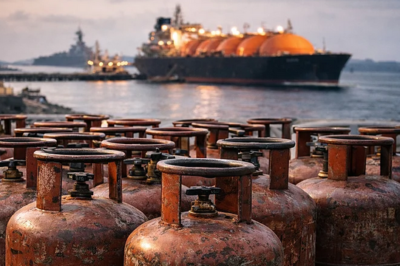
For India, the situation is more complex. Despite being one of the largest consumers of LPG, the country relies heavily on imports to meet domestic demand. A large portion of these imports traditionally comes from the Middle East, making supply chains sensitive to geopolitical tensions in that region.
Recent conflicts involving major global players have disrupted key shipping routes such as the Strait of Hormuz, a critical passage for energy supplies. These disruptions have led to fluctuations in LPG availability and price volatility in international markets. As a result, Indian households are beginning to feel the pressure through rising cylinder prices and occasional supply concerns.
The Indian government has already taken steps to manage the situation. Authorities have prioritized household LPG supply over industrial use and are increasing domestic production to reduce immediate shortages. Additionally, India is diversifying its import sources by increasing purchases from countries like the United States, Norway, and Canada to reduce dependence on the Gulf region.
Despite these efforts, the fundamental challenge remains. India’s growing population and expanding LPG usage, boosted by welfare schemes that promote clean cooking fuel, continue to drive demand upward. This makes the country highly sensitive to global energy shifts.
In simple terms, the fact that the United States leads LPG production matters greatly for India. Any changes in American output, export policies, or global conflicts affecting supply routes can influence how much Indian households pay for cooking gas.
As global energy markets remain uncertain, Indian consumers may need to brace for continued fluctuations in LPG prices. At the same time, the situation is pushing policymakers to explore alternatives such as piped natural gas and electric cooking solutions to reduce long term dependence on imported fuel.




































Leave a Reply