
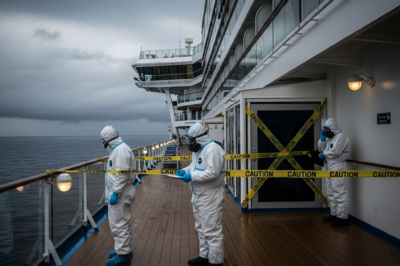
The World Health Organization (WHO) has officially confirmed a cluster of seven hantavirus cases linked directly to a recent cruise ship voyage, sending shockwaves through the global travel and health communities. With three fatalities reported across six different countries, health officials are racing to contain the potential spread and identify the source of the infection within the vessel.
The Cruise Ship Connection and International Spread
The outbreak, which reportedly originated on a luxury liner, has seen cases pop up in several nations as passengers returned home. Unlike common respiratory illnesses, hantavirus is typically spread through contact with rodents, making this maritime outbreak particularly unusual. Experts are currently investigating the ship’s maintenance and storage areas to determine if a rodent infestation facilitated the transmission of the virus to travelers. The six countries involved have been placed on high alert, coordinating with international health agencies to track any further secondary infections among the ship’s crew and passengers.
Understanding Hantavirus Symptoms and Risks
Hantavirus Pulmonary Syndrome (HPS) is a severe, sometimes fatal, respiratory disease. Early symptoms include fever, muscle aches, and fatigue, which can easily be mistaken for more common viral infections like the flu. However, the WHO warns that the disease can rapidly progress to severe shortness of breath as the lungs fill with fluid. Given the high mortality rate observed in this specific outbreak—nearly 43%—medical professionals are urging anyone who has recently traveled on international cruises to monitor their health closely. Prevention currently focuses on rigorous pest control and the immediate isolation of suspected cases.
Conclusion: A Wake-Up Call for Maritime Safety
This tragic incident serves as a stark reminder of the vulnerabilities inherent in the global travel industry. As the WHO continues its investigation, the focus shifts toward more stringent health protocols and rodent management on large vessels. The global community must now balance the freedom of international travel with the necessity of robust viral surveillance to prevent localized outbreaks from turning into international crises.






































Leave a Reply