
In Shorts
- CDS Anil Chauhan says Nehru recognised Tibet as part of China to build diplomatic ties with Beijing
- Decision dates back to early post Independence foreign policy strategy
- Move continues to influence India China relations today
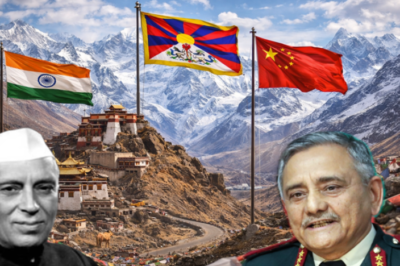
New Delhi: Chief of Defence Staff General Anil Chauhan has recently spoken about India’s historical stance on Tibet and the rationale behind former Prime Minister Jawaharlal Nehru recognising the region as part of China.
According to the CDS, the decision taken by India’s first Prime Minister was largely driven by diplomatic considerations in the formative years after Independence. Nehru’s government was keen on establishing stable relations with the newly formed People’s Republic of China and sought to avoid confrontation on sensitive territorial matters.
In the early 1950s, India and China were attempting to build a cooperative framework for bilateral ties. As part of this effort, New Delhi acknowledged Tibet as a region under Chinese control in the 1954 agreement signed between the two nations. This marked a significant shift in India’s policy, as the country gave up the special rights it had inherited from the British in Tibet in favour of strengthening ties with Beijing.
The recognition later became a cornerstone of India’s official position on Tibet. Over the decades, successive governments reiterated that Tibet was an autonomous region of China, including during key diplomatic engagements in 1988 and 2003, reflecting a consistent policy approach aimed at maintaining strategic balance in India China relations.
General Chauhan’s comments have brought renewed attention to the geopolitical choices made during the early years of India’s foreign policy formation. Analysts believe that the decision continues to shape contemporary discussions on border tensions and diplomatic engagement between the two Asian powers.
The Tibet issue remains closely linked to broader strategic calculations involving sovereignty, regional stability and bilateral trust between India and China. As India navigates present day security challenges along its northern frontier, historical policy decisions such as Nehru’s approach to Tibet continue to inform debate in strategic and defence circles.






































Leave a Reply