
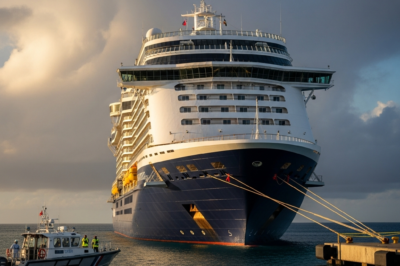
Global health authorities are on high alert following reports of a Hantavirus outbreak aboard a cruise vessel, a situation that has prompted immediate action from the World Health Organization (WHO). As the cruise industry continues its post-pandemic recovery, this unexpected health crisis highlights the ongoing challenges of managing infectious diseases in confined maritime environments. The WHO is currently working closely with international maritime health agencies to assess the scope of the infection and mitigate further risks to passengers and crew.
Understanding the Hantavirus Risks in Maritime Travel
Hantaviruses are a family of viruses spread primarily by rodents. While typically associated with terrestrial environments, an outbreak on a cruise ship presents unique logistical and medical challenges. The virus is usually transmitted to humans through contact with rodent urine, droppings, or saliva, or by inhaling dust contaminated with these substances. In the context of a cruise ship, rigorous rodent control and sanitation are the primary lines of defense. Symptoms of Hantavirus can range from fatigue, fever, and muscle aches to more severe respiratory distress, making early detection and isolation critical for onboard medical teams.
WHO Response and Enhanced Safety Protocols
The World Health Organization’s monitoring of the situation involves tracking the movement of the vessel and ensuring that all port authorities are notified of the health status on board. Safety4Sea reports that the vessel is undergoing deep-cleaning procedures and that health screenings for all individuals on board have been intensified. Passengers are being advised to maintain high standards of personal hygiene and to report any flu-like symptoms to the ship’s medical center immediately. This incident has reignited discussions regarding the stringency of health inspections and the necessity for robust pest management systems within the global cruise fleet.
As the investigation into the source of this outbreak continues, the travel industry must remain vigilant. This event serves as a stark reminder that public health safety is paramount in the tourism sector. While the risk to the general public remains low, the proactive steps taken by the WHO and maritime officials are essential in preventing a broader health emergency and ensuring the safety of future travelers.







































Leave a Reply